 5 months ago
Introduction
In early 2026, health authorities in the United Kingdom reported a concerning outbreak of Meningitis B, a serious bacterial infection that causes inflammation of the membranes surrounding the brain and spinal cord. This outbreak has triggered an urgent and coordinated public health response aimed at understanding the scale of the problem, identifying affected populations, and implementing effective measures to prevent further spread. Given the severity of the disease and its potential to cause long-term complications or death, the situation has garnered significant attention from healthcare professionals, policymakers, and the public alike.
This article provides a comprehensive overview of the outbreak, including the nature of Meningitis B, the current epidemiological situation in the UK, ongoing investigations, and the strategies being employed to protect public health. It also discusses the challenges faced in controlling the outbreak and outlines potential solutions and recommendations for mitigating the impact of this serious infection.
Context: Understanding Meningitis B
Meningitis B is caused by the bacterium Neisseria meningitidis serogroup B, one of several serogroups responsible for meningococcal disease. This disease can lead to severe and sometimes fatal infections, including meningitis (inflammation of the protective membranes covering the brain and spinal cord) and septicemia (blood poisoning). Meningitis B is particularly dangerous because it progresses rapidly and can cause serious complications within hours of symptom onset.
The infection primarily affects infants, young children, and adolescents, although it can occur at any age. Transmission occurs through respiratory droplets or close contact with an infected person, such as coughing, sneezing, kissing, or living in close quarters. Because of this mode of transmission, outbreaks often occur in settings where people are in close proximity, such as schools, universities, military barracks, and dormitories.
Symptoms of Meningitis B can develop quickly and include fever, headache, neck stiffness, nausea, vomiting, sensitivity to light, confusion, and in some cases, a distinctive purplish rash. Early diagnosis and prompt treatment with antibiotics are critical to improving outcomes and reducing the risk of severe complications such as brain damage, hearing loss, limb amputations, or death.
The Outbreak: Current Situation in the UK
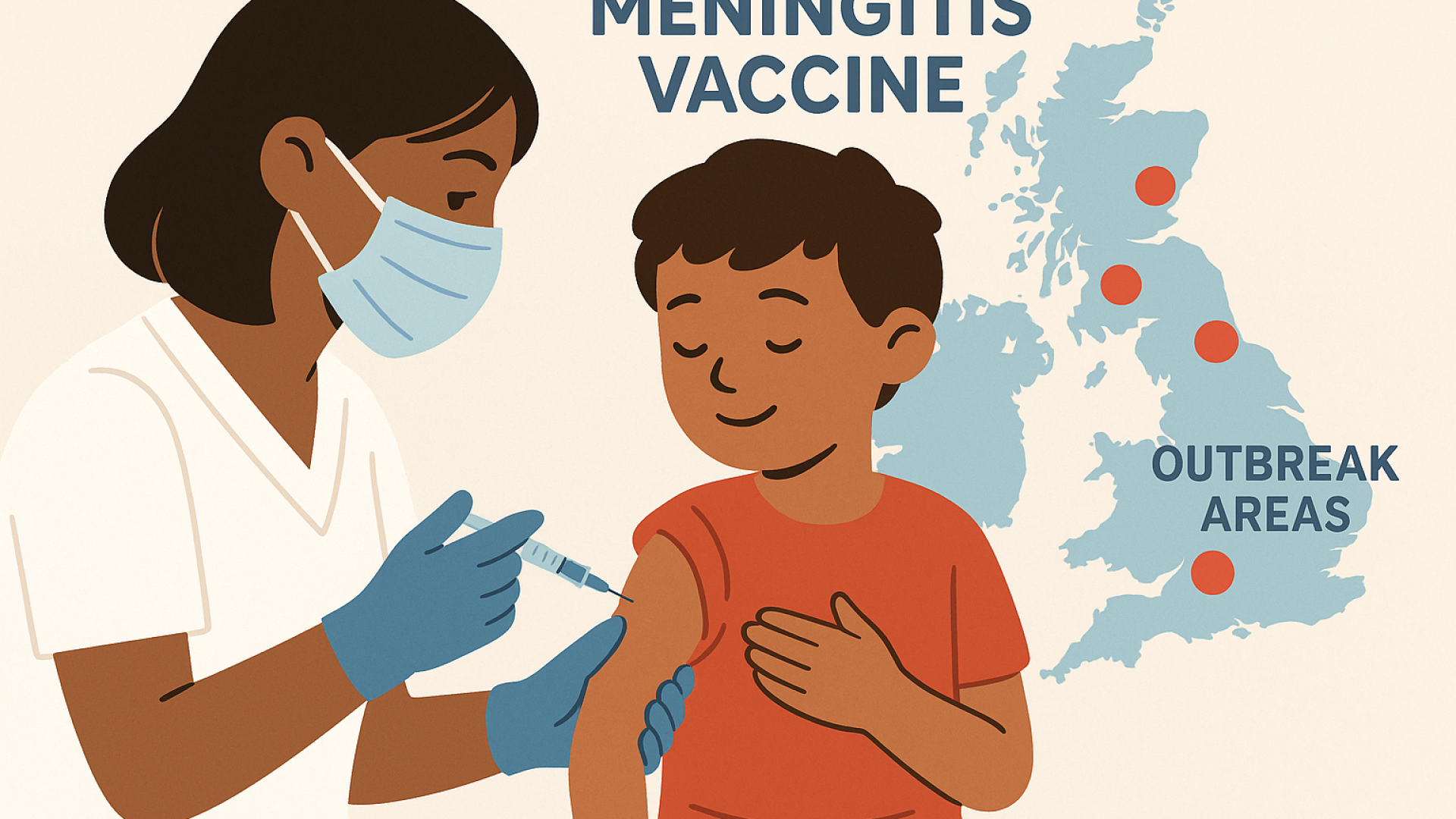
Since late 2025, several clusters of Meningitis B cases have been reported across various regions in the UK, prompting heightened surveillance and investigation by the UK Health Security Agency (UKHSA). The number of confirmed cases has exceeded the typical baseline for this time of year, raising concerns among healthcare professionals and the public. These clusters have been identified in both urban and rural areas, indicating that the outbreak is not confined to a single geographic location.
Preliminary investigations suggest that the outbreak is concentrated in certain communities and age groups, particularly among teenagers and young adults in educational settings such as secondary schools, colleges, and universities. This demographic is especially vulnerable due to increased social interaction and close living arrangements, which facilitate the spread of the bacteria.
The UKHSA is working closely with local health authorities, hospitals, and educational institutions to trace contacts, identify potential sources of infection, and monitor the spread. Efforts include collecting detailed epidemiological data, conducting laboratory analyses to characterize the bacterial strains involved, and assessing vaccine coverage in affected populations.
Investigative Measures and Public Health Response
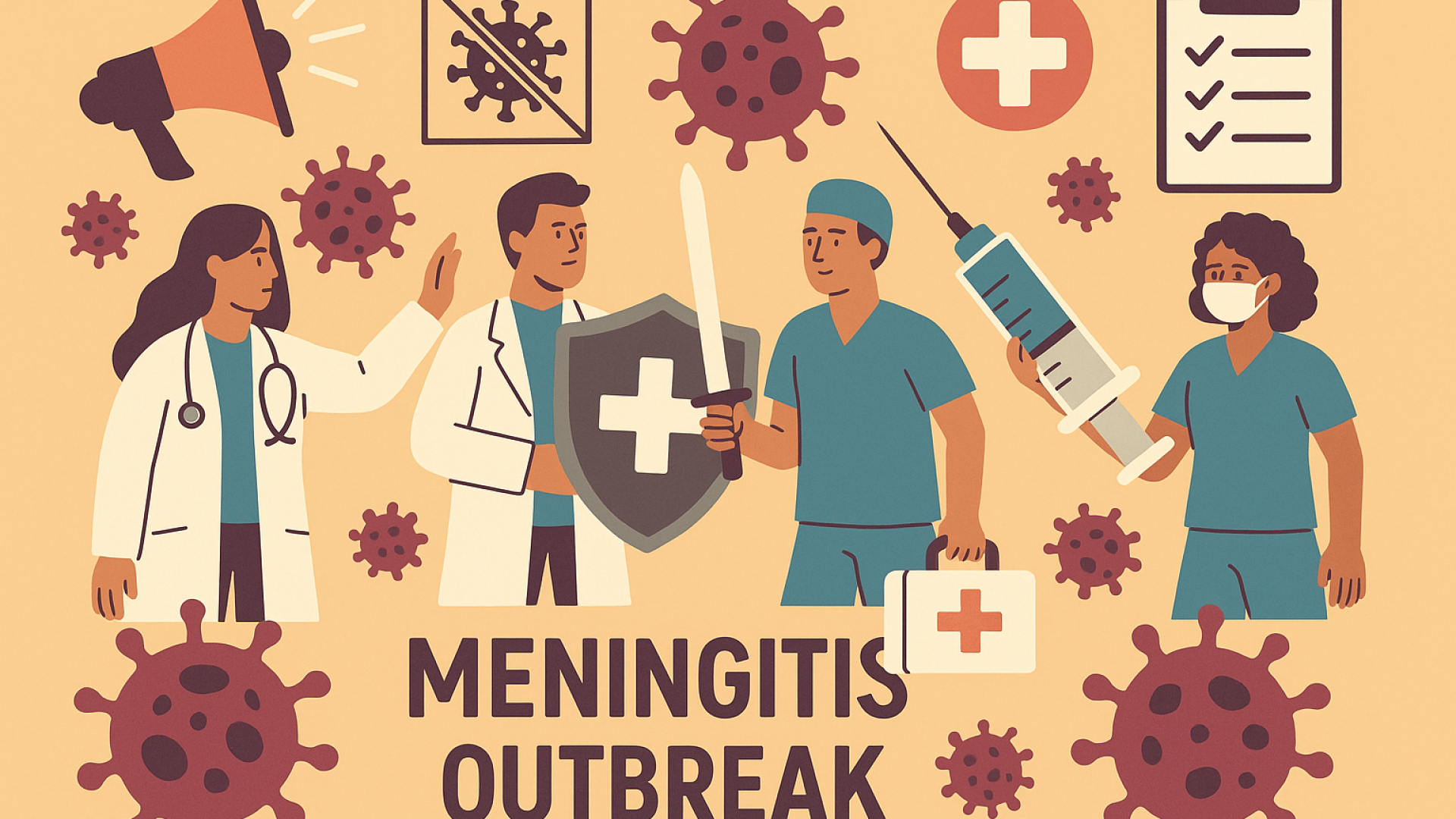
In response to the outbreak, the UKHSA has initiated a multi-faceted public health strategy designed to contain the spread and protect vulnerable groups. Key components of this response include:
- Enhanced Surveillance: Increasing monitoring of meningitis cases through hospitals, clinics, and laboratories to detect new infections promptly and identify emerging clusters.
- Contact Tracing: Systematically identifying and informing individuals who may have been exposed to confirmed cases. These contacts are offered prophylactic antibiotics to reduce the risk of developing the disease and are provided with information on symptoms and when to seek medical care.
- Vaccination Campaigns: Reviewing current vaccination policies and considering targeted immunization efforts for at-risk populations, including adolescents and young adults in affected areas. This may involve catch-up vaccination programs and outreach initiatives to improve vaccine uptake.
- Public Awareness: Disseminating clear and accessible information about symptoms, transmission, and prevention measures to the public, schools, universities, and healthcare providers. This includes guidance on recognizing early signs of meningitis and the importance of seeking immediate medical attention.
Vaccination against Meningitis B has been part of the UK’s routine immunization schedule for infants since 2015, significantly reducing the incidence of the disease in this age group. However, the current outbreak has raised questions about vaccine coverage and effectiveness in older age groups, prompting discussions about expanding vaccination recommendations to include adolescents and young adults, particularly those in high-risk environments.
Challenges in Controlling the Outbreak
Several factors complicate efforts to control the Meningitis B outbreak in the UK:
- Asymptomatic Carriers: A significant challenge is that some individuals can carry Neisseria meningitidis bacteria in their throat or nose without showing symptoms. These carriers can unknowingly transmit the bacteria to others, facilitating silent spread within communities.
- Close Contact Settings: Schools, universities, dormitories, and social gatherings provide environments conducive to rapid transmission due to close physical proximity and frequent interpersonal interactions.
- Vaccine Limitations: While the Meningitis B vaccine is effective in infants, questions remain about the duration of protection and efficacy in older populations. Waning immunity over time may leave adolescents and young adults susceptible, especially if they were not vaccinated during infancy.
- Public Awareness and Symptom Recognition: Early symptoms of meningitis can be nonspecific and resemble common viral illnesses, leading to delays in seeking medical care. This delay can result in more severe disease progression and increased risk of transmission.
Potential Solutions and Recommendations
To address these challenges and mitigate the outbreak, health experts recommend a combination of strategies:
- Expanding Vaccination Programs: Consider extending Meningitis B vaccination to adolescents and young adults, especially those in high-risk environments such as schools, universities, and communal living settings. Catch-up vaccination campaigns could help close immunity gaps in these populations.
- Improved Diagnostic Tools: Enhance rapid testing capabilities in healthcare settings to facilitate early detection and treatment of meningitis cases. Point-of-care tests and molecular diagnostics can reduce delays in diagnosis and improve patient outcomes.
- Community Engagement and Education: Work collaboratively with schools, universities, community organizations, and healthcare providers to raise awareness about meningitis symptoms, transmission, and prevention. Educational campaigns should emphasize the importance of early medical evaluation and adherence to prophylactic measures.
- Research Investment: Support ongoing studies on vaccine efficacy, bacterial strain variations, and transmission dynamics to inform evidence-based public health policies. Research into new vaccine formulations and booster schedules may enhance long-term protection.
Looking Ahead: Monitoring and Preparedness
The UKHSA continues to monitor the outbreak closely, providing regular updates to the public, healthcare providers, and policymakers. The situation remains dynamic, with new cases being investigated and response strategies adapted accordingly. Ongoing research and surveillance will inform future public health policies and vaccination recommendations.
Preparedness for potential outbreaks of meningococcal disease is critical, given the rapid progression and severity of the illness. Healthcare professionals emphasize the importance of early recognition of symptoms and prompt medical attention. Parents, educators, and young people are encouraged to stay informed, recognize early warning signs, and adhere to recommended preventive measures, including vaccination and hygiene practices.
Conclusion
The Meningitis B outbreak in the UK underscores the persistent threat posed by infectious diseases and the need for vigilant, coordinated public health responses. While vaccination has significantly reduced the incidence of meningococcal disease in infants, outbreaks can still occur, particularly in vulnerable populations such as adolescents and young adults. Through coordinated efforts involving enhanced surveillance, vaccination, education, and research, it is possible to control the spread and minimize the impact of this serious infection.
As investigations continue, the public is urged to remain attentive to health advisories and seek medical care promptly if symptoms suggestive of meningitis develop. The collective response of health authorities, communities, and individuals will be crucial in overcoming this outbreak and safeguarding public health in the UK.