 5 months ago
In recent weeks, the cybersecurity landscape has been shaken by a significant mass-wipe cyberattack targeting medical devices managed through Microsoft Intune, specifically those used by Stryker, a leading medical technology company. This attack has prompted the Cybersecurity and Infrastructure Security Agency (CISA) to issue urgent guidance for companies to enhance their security protocols surrounding Microsoft Intune, a widely used cloud-based device management service.
Context: Understanding the Attack and Its Impact
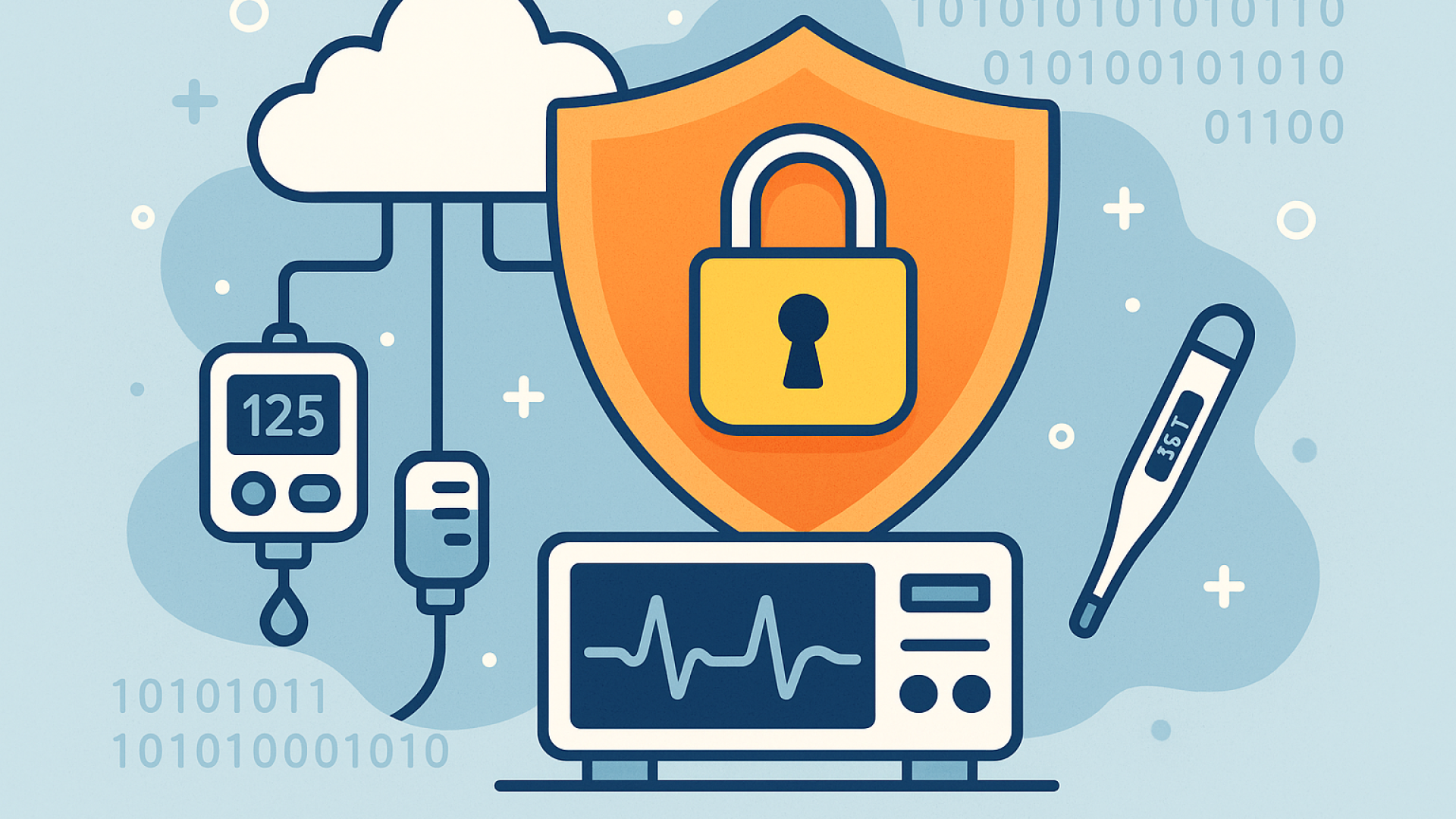
The attack involved unauthorized actors gaining access to Microsoft Intune management consoles and executing mass-wipe commands on devices under management. Stryker, known for its advanced medical devices including surgical equipment and patient monitoring systems, was severely affected. The mass-wipe resulted in the loss of critical device configurations and data, disrupting healthcare operations and raising concerns about patient safety and data integrity.
While the full scope of the attack is still under investigation, initial reports suggest that attackers exploited vulnerabilities related to access controls and authentication mechanisms within Microsoft Intune environments. The incident underscores the risks associated with centralized device management platforms, especially when used to control critical infrastructure and sensitive devices.
The ramifications of this attack extend beyond immediate operational disruptions. Healthcare providers relying on Stryker’s devices faced delays and complications in patient care, highlighting how cyberattacks on device management systems can have direct, real-world consequences. Furthermore, the breach has raised alarms about the potential exposure of sensitive patient data, although no confirmed data exfiltration has been reported to date.
The Core Issues: Vulnerabilities in Microsoft Intune Security
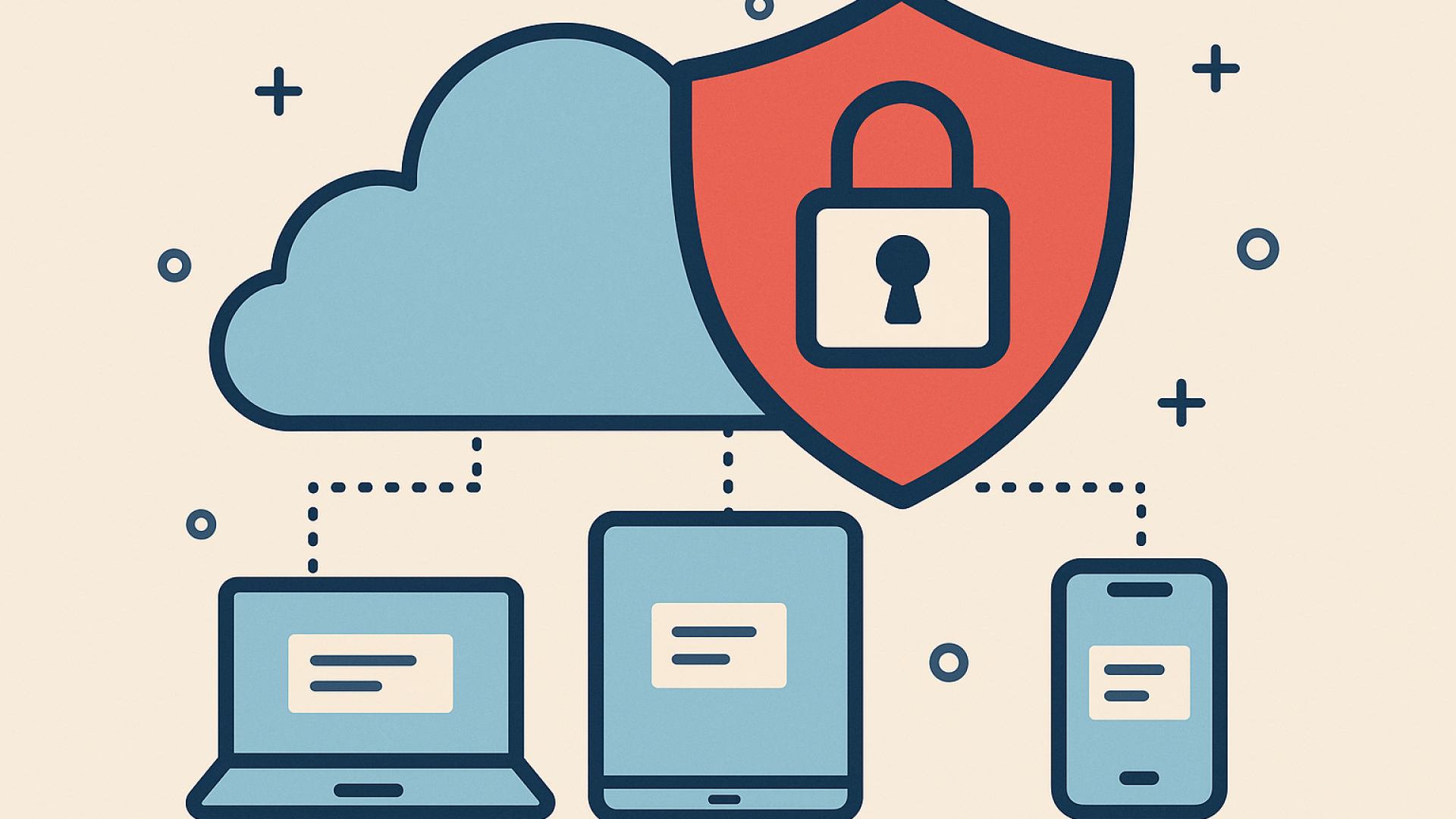
Microsoft Intune is a powerful tool that allows organizations to manage and secure devices remotely, including enforcing policies, deploying applications, and wiping devices if necessary. However, its centralized nature also makes it a high-value target for cybercriminals. Key vulnerabilities that may have contributed to the attack include:
- Insufficient Access Controls: Weak or improperly configured permissions can allow unauthorized users to gain administrative access. In some cases, overly broad permissions granted to users or service accounts increase the risk of misuse or compromise.
- Lack of Multi-Factor Authentication (MFA): Absence or poor implementation of MFA increases the risk of credential compromise. Attackers often exploit stolen or phished credentials to gain entry into management consoles.
- Inadequate Monitoring and Alerting: Failure to detect unusual activities or unauthorized commands in real-time delays incident response. Without comprehensive logging and alerting, suspicious mass-wipe commands may go unnoticed until significant damage occurs.
- Misconfiguration of Policies: Overly permissive policies or failure to segment device management roles can widen the attack surface. For example, granting mass-wipe capabilities to too many users or not restricting device groups appropriately can facilitate large-scale attacks.
These vulnerabilities highlight the importance of robust security practices tailored to cloud-based device management platforms. They also emphasize the need for continuous security assessments and adherence to best practices to minimize risks.
Solutions: Strengthening Microsoft Intune Security Posture
In response to the attack, CISA has issued a set of recommendations aimed at helping organizations fortify their Microsoft Intune environments. These include:
- Implement Strong Access Controls: Restrict administrative privileges to the minimum necessary and regularly review access rights. Employ the principle of least privilege to ensure users have only the permissions required for their roles.
- Enforce Multi-Factor Authentication: Require MFA for all users accessing Intune management consoles to reduce the risk of credential theft. MFA adds an additional layer of security beyond passwords, making unauthorized access more difficult.
- Enable Comprehensive Logging and Monitoring: Activate detailed audit logs and configure alerts for suspicious activities such as mass-wipe commands or unusual login patterns. Real-time monitoring enables faster detection and response to potential threats.
- Adopt Role-Based Access Control (RBAC): Use RBAC to segregate duties and limit the scope of actions each user can perform within Intune. This reduces the risk that a single compromised account can cause widespread damage.
- Regularly Update and Patch Systems: Ensure that all software components, including Intune agents and related infrastructure, are kept up to date with the latest security patches. Timely updates close vulnerabilities that attackers might exploit.
- Conduct Security Awareness Training: Educate IT staff and users on best practices for credential management and recognizing phishing attempts. Human factors often play a critical role in security breaches.
- Develop Incident Response Plans: Prepare for potential breaches with clear protocols for containment, investigation, and recovery. Having a well-defined response plan minimizes downtime and damage in the event of an attack.
By adopting these measures, organizations can significantly reduce the likelihood of similar attacks and mitigate their impact if they occur. Additionally, companies should consider conducting regular security audits and penetration testing to identify and remediate weaknesses proactively.
Broader Implications for Cybersecurity in Device Management
The Stryker incident serves as a stark reminder of the evolving threat landscape targeting cloud-based management platforms. As more organizations rely on services like Microsoft Intune to manage diverse device fleets, including Internet of Things (IoT) and medical devices, the potential attack surface expands.
Healthcare providers, in particular, face unique challenges due to the critical nature of their devices and the sensitivity of patient data. Disruptions caused by cyberattacks can have life-threatening consequences, emphasizing the need for stringent security controls and regulatory compliance. Medical device manufacturers and healthcare institutions must collaborate closely to ensure device security throughout the lifecycle, from development to deployment and maintenance.
Moreover, this event highlights the importance of collaboration between government agencies, technology providers, and private sector organizations to share threat intelligence and develop resilient defenses. Public-private partnerships can facilitate rapid information exchange about emerging threats and vulnerabilities, enabling coordinated responses.
Beyond healthcare, industries such as manufacturing, finance, and critical infrastructure also depend heavily on cloud-based device management platforms. The lessons learned from the Stryker attack are broadly applicable and underscore the necessity of securing these platforms against increasingly sophisticated cyber threats.
Conclusion: Proactive Security as a Necessity
The mass-wipe cyberattack on Stryker devices via Microsoft Intune is a wake-up call for organizations worldwide. It demonstrates that even trusted cloud management platforms can be exploited if security is not prioritized. CISA’s call to action underscores the urgency of strengthening access controls, implementing multi-factor authentication, and enhancing monitoring capabilities.
As cyber threats continue to evolve, companies must adopt a proactive security posture that anticipates potential vulnerabilities and responds swiftly to incidents. Investing in comprehensive security strategies for device management platforms like Microsoft Intune is essential to safeguard critical infrastructure, protect sensitive data, and maintain operational continuity.
Ultimately, the lessons learned from this attack should drive ongoing improvements in cybersecurity practices, fostering a safer digital environment for all sectors reliant on cloud-based device management. Organizations are encouraged to view security as a continuous process involving technology, people, and processes working in harmony to defend against emerging threats.